
Animate · Moving photos
Turn still pictures into moving photos
You've seen the effect — a portrait that breathes, like the photographs in a storybook. FotoRipple creates it from your real photos, with movement calibrated to stay human.
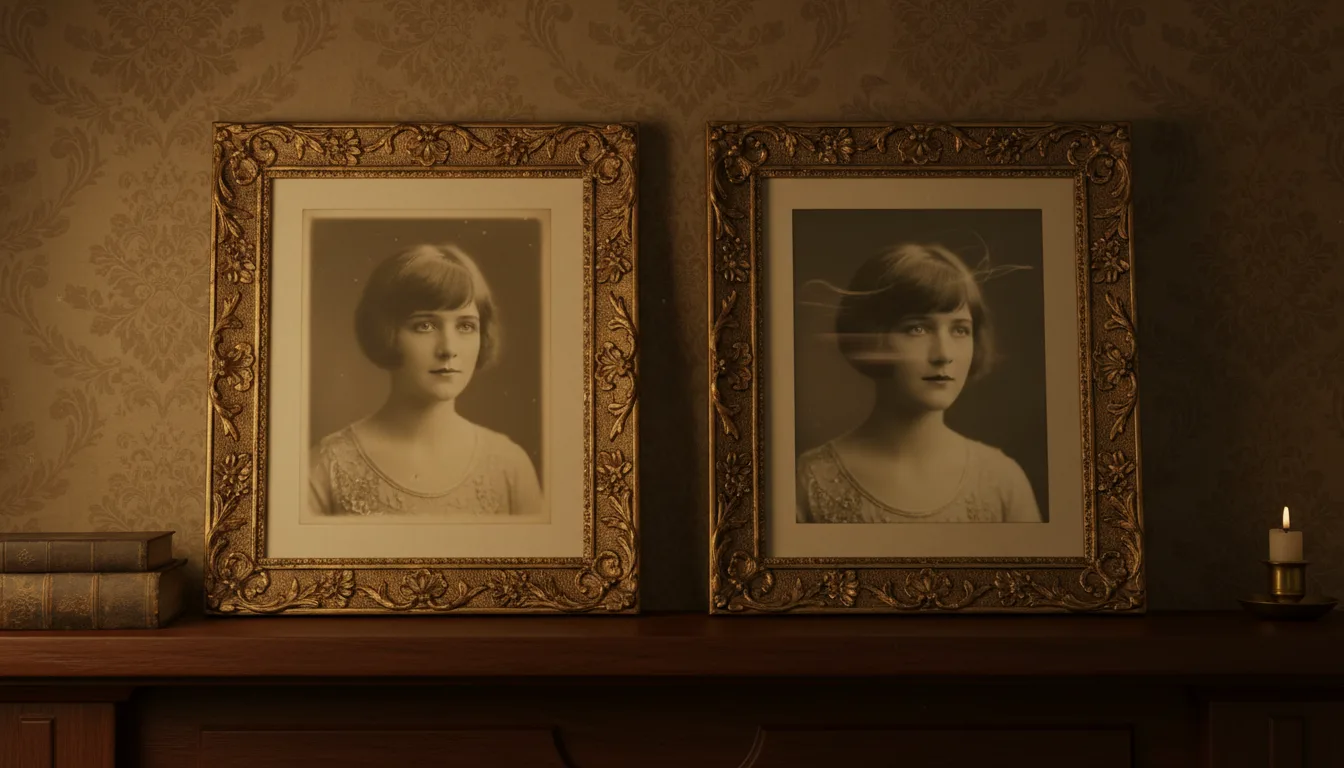
A moving photo — sometimes called a living photo — is a still image given a few seconds of subtle life. Done with restraint, it's the most emotionally striking thing you can make from a family photograph.
Where the effect comes from
The “living portrait” has been a fantasy for as long as photography has existed — fiction gave it to haunted houses and wizarding newspapers long before AI made it real. What changed recently is that motion models learned from enormous amounts of real human video, so the movement they generate finally behaves like a person instead of a puppet.
The craft now is restraint. The uncanny valley lives exactly one notch above “subtle” — which is why FotoRipple’s motion stays at a blink, a breath, a smile’s beginning.
Still photo in, three things out
From one uploaded print you can walk away with: the restored still (free — often worth the visit alone), the moving photo clip, and — if you bring 3–10 pictures — a finished video with music. Most people come for the second and end up making the third. Start at animate photos online to see the whole flow, or jump straight into the app.
How it works
- 1Upload a photo — or 3–10 of them for a full sequence.
- 2Free cleanup first. Restoration and colorization sharpen the face the motion will build on.
- 3Animate. Eyes catch light, smiles broaden, hair stirs — a few seconds of quiet movement.
- 4Keep it or build it out. Save single moving photos, or join several with music into one video.
The storybook effect, honestly made
The charm of a moving photo is that it stays a photograph. FotoRipple never warps the image into a cartoon of itself.
Works from real prints
Not just pristine digital shots — scans of creased, faded prints are restored free before the motion is added.
Single photos or sequences
Make one moving portrait for a frame-worthy clip, or a set of 3–10 for a full video.
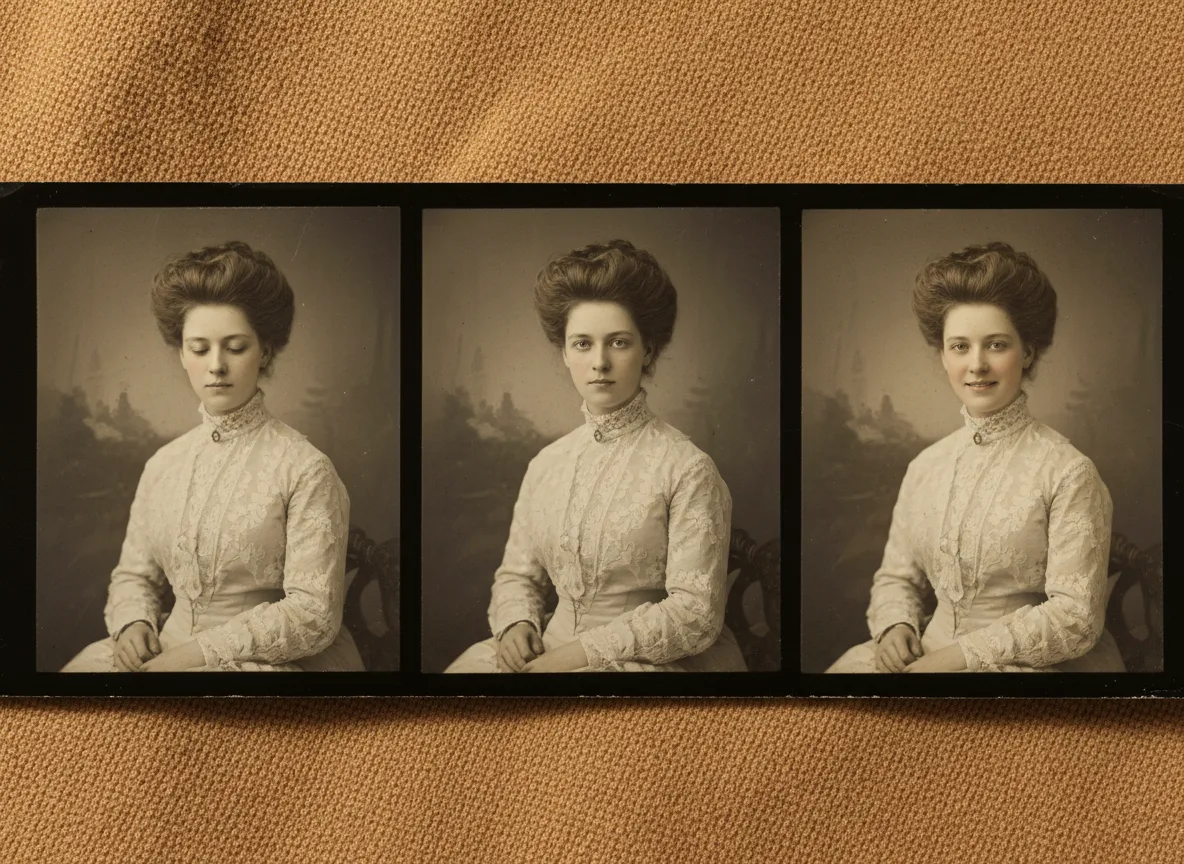
Example: the hallway portrait that looks back
Think of the portrait every family has — the one that hung in the hallway for thirty years. As a moving photo, it does exactly what it always did, plus one thing more: once every few seconds, the eyes shift, or the smile deepens slightly. Played on a tablet at a family dinner, it stops conversation mid-sentence.
Hypothetical scene, offered to set expectations for the effect.
Tips for the best result
- Portraits with direct eye contact make the most arresting moving photos.
- Subtlety scales with quality: a restored, colorized image yields noticeably more lifelike motion.
- Loop-friendly clips work well as digital frames — a moving photo on a mantel screen is quietly magical.
- For a gift, pair one hero moving photo with a printed copy of the original — the before and after tell the story.
- Shortlisting candidates? See which photos animate best.